

 See My Latest Article on HelloNation
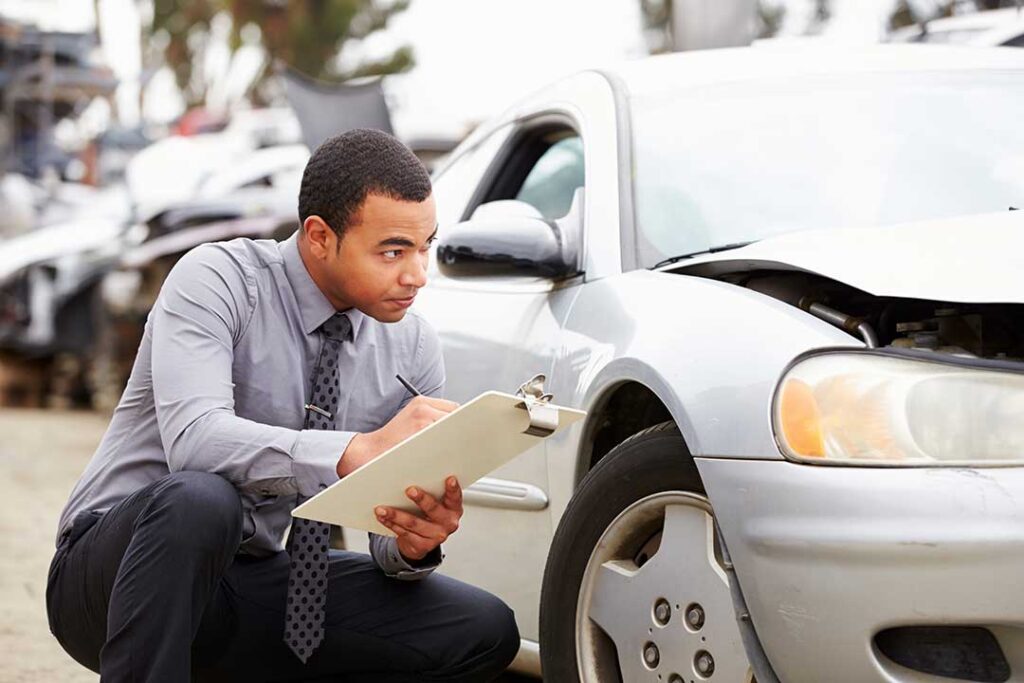
A car accident can leave people shaken, rushed, and unsure what to do next. For insurance purposes, the most useful response is to focus on safety first, accurate information second, and prompt documentation throughout the claim.
What should you do immediately after a crash?
Move to a safe location if the vehicle can be driven without creating additional danger, and call 911 if anyone is injured, traffic is blocked, or the situation is unsafe. Do not leave the scene before fulfilling the required responsibilities and being released by law enforcement.
Nebraska drivers should:
- Stop as close to the crash scene as safety allows.
- Check on everyone involved without putting anyone at greater risk.
- Call emergency services for injuries, serious damage, fire, hazardous traffic conditions, or suspected impairment.
- Turn on hazard lights and use warning devices if available.
- Avoid arguing about fault or making statements such as “I caused this.”
- Do not move an injured person unless there is an immediate danger, such as fire or oncoming traffic.
A minor-looking collision can involve hidden damage or injuries that become noticeable later. Staying calm and limiting the conversation to factual information helps prevent misunderstandings.
What information should drivers exchange?
Exchange identifying and insurance information with the other driver. Write it down carefully or photograph the insurance card and driver’s license when practical.
Collect:
- Full name, address, and telephone number
- Driver’s license number
- Insurance company and policy information
- License plate number
- Vehicle make, model, and year
- Names and contact information for passengers and witnesses
- The responding officer’s name, badge number, and report information
If the other driver refuses to provide information, appears intoxicated, becomes threatening, or leaves the scene, avoid confrontation. Give the responding authorities the vehicle description, plate number, direction of travel, and any available photographs.
If an unattended vehicle or other property is damaged, leave identifying information where the owner can find it and report the incident as required.
What should you photograph at the scene?
Photos can help establish what happened before vehicles are repaired or roadway conditions change. Take pictures only when it is safe to do so.
Useful photographs may include:
- All vehicles from several angles
- Close-ups of dents, broken lights, scraped paint, and other damage
- License plates and vehicle positions
- The surrounding road, intersection, traffic signals, and signs
- Skid marks, debris, standing water, ice, or other roadway conditions
- Weather and visibility conditions
- Any visible injuries, if the person involved is comfortable documenting them
- Interior damage, deployed airbags, or warning lights
In Papillion, changing conditions can matter. Snow, ice, rain, glare, construction activity, and reduced visibility may affect how a collision occurred. A brief note describing the road and weather conditions can be useful later, particularly if photographs do not fully show them.
Do not edit photographs or delete original files. Keep the original images with the date and time information whenever possible.
Do you need to report the crash to Nebraska authorities?
A crash generally must be reported to law enforcement when there are injuries, a death, or property damage that meets Nebraska’s reporting threshold. For crashes occurring on or after July 18, 2026, the threshold is $2,000 in damage to the property of any one person.
If law enforcement investigates and completes an Investigator’s Crash Report, the drivers normally do not need to submit a separate driver crash report to the state. If the crash is not investigated and it meets the reporting conditions, each involved driver must submit a Driver’s Motor Vehicle Crash Report to the Nebraska Department of Transportation within 10 days.
The $2,000 amount can be difficult to judge at the scene. Bumpers, sensors, cameras, lights, and other systems may cost more to repair than they appear to. When damage may be close to the threshold, ask law enforcement or the appropriate state office about the reporting requirement rather than relying only on a quick visual estimate.
Keep the report number and request a copy when it becomes available. The report may help the insurer verify the parties, location, damage, and initial accounts of the collision.
When should you notify your insurance company?
Notify your insurer as soon as reasonably possible, even if the accident appears minor or the other driver says they will pay. Insurance policies commonly require prompt notice, and waiting can make it harder to investigate damage or preserve evidence.
When reporting the claim, provide:
- Date, time, and location of the crash
- A factual description of what occurred
- Names and contact information for the other driver and witnesses
- Police or crash report information
- Photographs and videos
- Information about injuries or medical evaluation
- Whether the vehicle is drivable
- Any towing, storage, or temporary transportation expenses
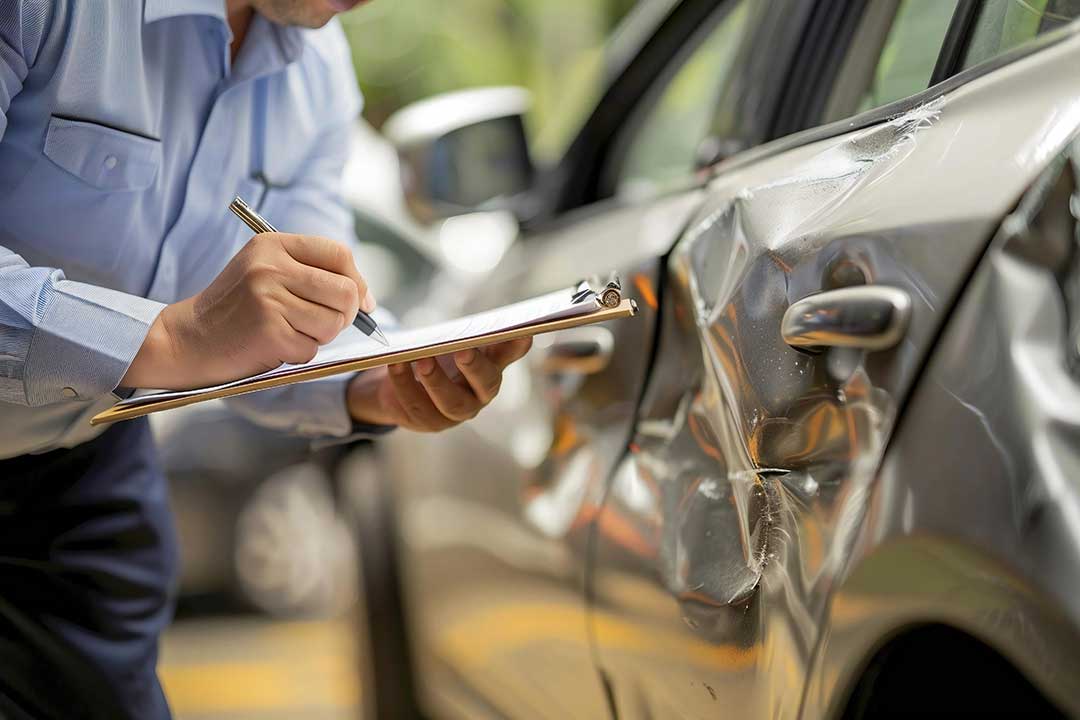
Describe what happened without guessing about speed, distance, or fault. It is acceptable to say that the facts are still being investigated. The insurer will typically assign a claims adjuster to review coverage, liability, damage, and payment questions.
Should you use your own coverage or the other driver’s insurance?
The answer depends on the facts of the accident and the coverages in the policy. If another driver is responsible, a claim may be made against that driver’s liability coverage. If the driver is uninsured, underinsured, or cannot be identified, uninsured or underinsured motorist coverage may be relevant if included in the policy.
Collision coverage may help pay for damage to the insured vehicle, subject to the deductible, even when responsibility is disputed. Medical payments coverage or other policy provisions may apply to accident-related medical expenses, depending on the policy.
Do not assume the other driver’s promise to “take care of it” is enough. A verbal agreement does not guarantee payment, and delaying notice may create unnecessary problems. Before paying for repairs personally, compare the likely repair cost with the deductible and consider whether hidden damage could be present.
What should you keep after filing a claim?
Create one folder for all accident-related records. Save:
- Claim numbers and policy information
- Emails, letters, and text messages
- Names and dates of conversations with insurers
- Repair estimates and invoices
- Towing, storage, rental, and transportation receipts
- Medical bills and appointment records
- Photos taken before and after repairs
- The police or state crash report
- Notes about symptoms, missed work, and vehicle problems
Keep a simple timeline. Write down when the accident happened, when the claim was reported, when the vehicle was inspected, and what each person said. Detailed records are especially helpful if the repair estimate changes or a payment decision is questioned.
What if the insurer’s decision seems wrong?
Ask for the explanation in writing and review the relevant policy language. If the disagreement concerns repair costs, coverage, fault, or the value of a totaled vehicle, provide supporting photographs, estimates, receipts, or other documentation.
Many policies contain an appraisal or dispute-resolution provision for disagreements about the amount of damage. The Nebraska Department of Insurance also provides consumer information about auto claims and insurance complaints. A legal adviser may be appropriate when the crash involves significant injuries, a disputed release, serious liability concerns, or a claim that cannot be resolved through normal insurance communication.
Do not sign a release for injuries or property damage until the full effect of the agreement is understood. Some injuries and vehicle problems are not apparent immediately, and a release may limit later recovery.
What common mistakes should you avoid?
The most frequent problems after a crash are preventable:
- Leaving before exchanging information or reporting the incident
- Failing to photograph the scene
- Guessing about fault
- Delaying notice to the insurer
- Authorizing repairs before documenting damage
- Throwing away receipts
- Assuming a police report automatically determines insurance liability
- Accepting a quick payment without understanding what it covers
- Posting detailed comments or accusations on social media
A police report is one piece of information in an insurance investigation. The insurer may also consider photographs, vehicle damage, witness statements, traffic conditions, repair findings, and each driver’s account.
For local households, keeping a current insurance card, emergency contact information, and a phone charger in the vehicle can make the first few minutes less difficult. The most valuable preparation is knowing where the policy information is stored and understanding which coverages and deductibles apply before a crash occurs.